Quick Answer
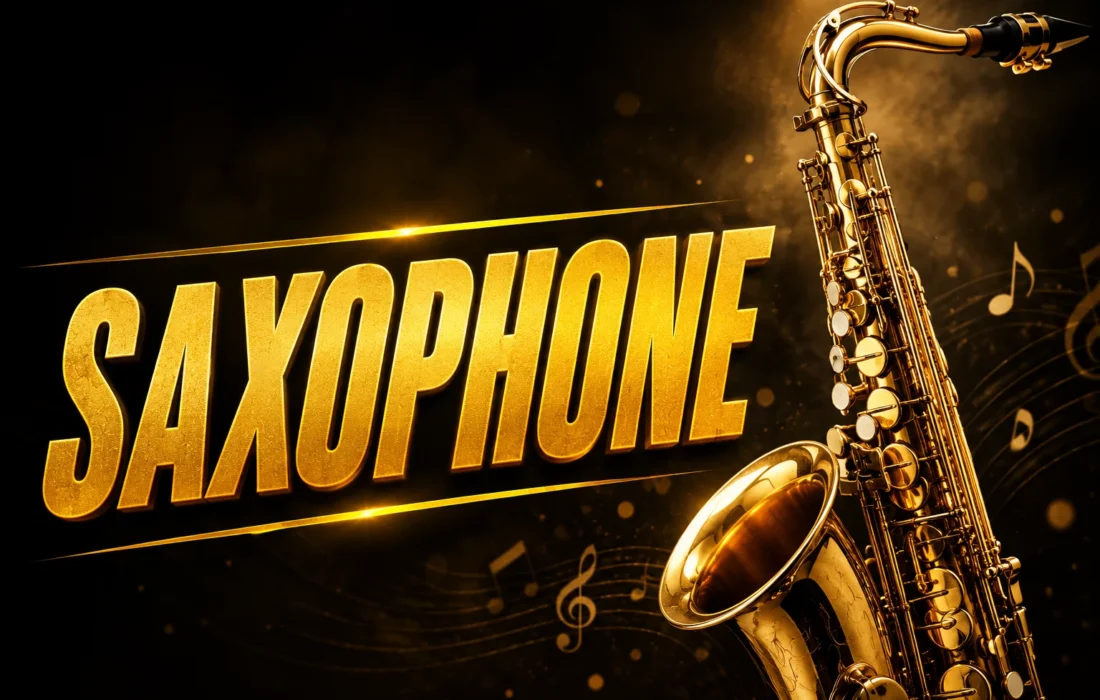
A saxophone is a woodwind instrument invented by Belgian instrument maker Adolphe Sax in the 1840s. Although it is usually made of brass, it is classified as a woodwind instrument because it produces sound using a single reed attached to a mouthpiece. As of 2026, the saxophone remains one of the world’s most popular instruments, widely used in jazz, classical, pop, rock, blues, and contemporary music.
- Quick Answer
- Quick Facts About the Saxophone
- What Is a Saxophone?
- History and Development
- Who Invented the Saxophone?
- How the Saxophone Became Popular
- How Does a Saxophone Work?
- Main Types of Saxophones
- Alto Model
- Tenor Model
- Soprano Model
- Baritone Model
- How to Learn This Instrument
- Is the Saxophone Easy to Learn?
- Tips for Beginners
- Best Model for Beginners
- Why the Alto Saxophone Is the Top Choice
- What to Look for Before Buying
- Legendary Players Who Changed Music
- Jazz Legends
- Modern Saxophone Players
- Popular Music Genres That Use the Saxophone
- Jazz and Classical Music
- Pop, Rock, Blues, and More
- Buying Guide for Beginners in 2026
- Maintenance and Care Guide
- How to Keep Your Saxophone in Good Condition
- Regular Servicing Matters
- Common Mistakes Beginners Make
- Why It Remains So Popular
- Frequently Asked Questions
- Q: Is the saxophone a brass or woodwind instrument?
- Q: Which saxophone is best for beginners?
- Q: How long does it take to learn the saxophone?
- Q: What music can you play with this instrument?
- Q: How often should the instrument be cleaned?
- Conclusion
The instrument is known for its expressive tone, versatility, and relatively beginner-friendly design. Whether you’re interested in learning your first instrument, buying a saxophone, or simply discovering its history, this guide covers everything you need to know, including the different types of saxophones, how they work, and why they remain so popular in 2026. For more insights read here:- elle fanning and eve mavrakis.
Quick Facts About the Saxophone
| Feature | Details |
|---|---|
| Instrument Type | Woodwind |
| Invented By | Adolphe Sax |
| Patent Year | 1846 |
| Country of Origin | Belgium |
| Primary Material | Brass (uses a single reed) |
| Common Types | Soprano, Alto, Tenor, Baritone |
| Beginner-Friendly? | Yes, especially the Alto Saxophone |
| Used In GenresJazz, Classical, Pop | Jazz, Classical, Pop, Rock, Blues, Funk |
| Playing Method | Single-reed mouthpiece with finger-operated keys |
| Best Known For | Its rich, expressive, and versatile sound |
What Is a Saxophone?
The instrument is a single-reed woodwind instrument designed to combine the projection of brass instruments with the flexibility of woodwinds. It was invented by Adolphe Sax in Belgium during the early 1840s and officially patented in 1846.
Although most saxophones are made from brass, they are not considered brass instruments because players create sound by vibrating a reed against the mouthpiece, much like a clarinet. This unique design gives the instrument its warm, rich, and highly expressive sound.
Today, this musical instrument is played by beginners, students, professionals, and world-famous musicians across a wide variety of musical styles. As of 2026, it remains an essential instrument in school bands, orchestras, jazz ensembles, marching bands, and modern recording studios.
History and Development
Who Invented the Saxophone?
The instrument was invented by Adolphe Sax, a Belgian instrument maker and designer who wanted to create an instrument capable of blending the power of brass instruments with the agility of woodwinds.
After years of experimentation, Sax introduced his new instrument in the 1840s. It quickly attracted attention because of its unique tone and broad musical range. In 1846, he received an official patent for the saxophone, establishing what would become one of the most influential musical instruments ever created.
How the Saxophone Became Popular
Initially, the instrument was developed for military bands, where its powerful sound helped bridge the gap between brass and woodwind sections. During the late 19th and early 20th centuries, composers gradually began writing music specifically for the instrument.
Its greatest breakthrough came with the rise of jazz in the United States. Legendary performers helped transform the saxophone into one of the defining sounds of modern music. Today, it is equally at home in jazz clubs, symphony orchestras, pop concerts, film soundtracks, and recording studios around the world.
How Does a Saxophone Work?
The instrument produces sound when the player blows air through the mouthpiece, causing the single reed to vibrate. Those vibrations travel through the instrument’s conical body, creating its distinctive tone.
Players change notes by pressing keys, which open and close tone holes along the body of the instrument. Combining different finger positions allows musicians to perform melodies across a wide pitch range while also controlling dynamics, articulation, and expression.
One reason the saxophone remains so popular in 2026 is its versatility. It can produce soft, smooth melodies as well as bright, powerful sounds, making it suitable for both solo performances and ensemble playing.
Main Types of Saxophones
Although several members of the saxophone family exist, four types are by far the most common.
Alto Model
The alto model is the most popular choice for beginners. It is lightweight, comfortable to hold, and easier to control than larger versions. Many schools recommend the alto model because its size and finger spacing are ideal for new players.
Its bright, balanced tone makes it suitable for jazz, concert bands, classical music, and pop performances.
Tenor Model
The tenor model is slightly larger than the alto version and produces a deeper, warmer sound. It is one of the most recognisable instruments in jazz and rock music.
Many professional musicians choose the tenor model because of its rich tone and expressive capabilities, making it a favourite for solo performances.
Soprano Model
The soprano model is smaller and usually straight rather than curved. It produces a clear, higher-pitched sound that requires greater breath control and precise technique.
Because it is less forgiving than the alto or tenor, the soprano model is generally recommended for intermediate or advanced players.
Baritone Model
The baritone model is the largest commonly used member of the saxophone family. Its deep, resonant sound provides the lower harmony in jazz bands, orchestras, and concert ensembles.
Although heavier and more expensive than other models, the baritone model remains highly valued for its powerful bass voice and impressive stage presence.
How to Learn This Instrument
Is the Saxophone Easy to Learn?
Many beginners wonder whether the instrument is difficult to play. The good news is that it is often considered one of the easiest wind instruments to learn. Thanks to its logical key layout and comfortable finger positioning, new players can begin producing simple notes within a short period of practice.
Like any musical instrument, mastering the instrument takes patience and consistency. Developing good breath control, finger coordination, and tone quality requires regular practice. However, with the right guidance, many beginners are able to play basic songs within a few months.
Tips for Beginners
If you’re starting your saxophone journey , these tips can help you make faster progress:
- Choose an alto saxophone if you’re a beginner.
- Learn the correct posture and embouchure from the beginning.
- Practise for 20–30 minutes daily instead of long, occasional sessions.
- Use a quality reed and keep your instrument clean.
- Consider taking lessons from a qualified teacher or using trusted online learning platforms.
Building strong fundamentals early makes learning more enjoyable and helps prevent bad playing habits.
Best Model for Beginners
Why the Alto Saxophone Is the Top Choice
For most beginners, the alto saxophone remains the best option in 2026. It is lighter than the tenor saxophone, requires less air to play, and is generally more affordable. Its comfortable size also makes it ideal for younger players and adults learning their first instrument.
Many schools, music academies, and private instructors recommend starting with an alto saxophone because instructional books and beginner courses are widely available.
What to Look for Before Buying
When purchasing your first saxophone, consider the following factors:
- Build quality and durability
- Comfortable key placement
- Reliable tuning and intonation
- Availability of replacement parts
- Manufacturer reputation
- Your budget and long-term goals
A well-made beginner instrument can make learning easier and remain useful for many years. also explore:- 4000 steps in km.
Legendary Players Who Changed Music
Jazz Legends
The instrument became famous largely because of legendary jazz musicians who transformed the instrument into a symbol of musical expression.
Artists such as Charlie Parker, John Coltrane, Sonny Rollins, and Stan Getz helped shape modern jazz through their innovative performances and recordings. Their influence continues to inspire saxophonists around the world.
Their music is still studied by students and professionals because of its technical brilliance and emotional depth.
Modern Saxophone Players
The instrument continues to thrive across many genres beyond jazz. Contemporary artists perform in pop, funk, classical, film music, and even electronic music, demonstrating the instrument’s remarkable versatility.
Today, social media platforms and streaming services have introduced a new generation of saxophonists who share performances, tutorials, and collaborations with audiences worldwide. This has helped keep the instrument relevant for younger musicians.
Popular Music Genres That Use the Saxophone
Jazz and Classical Music
Jazz remains the genre most closely associated with the saxophone. From smooth ballads to energetic improvisations, the instrument has become one of jazz’s defining voices.
Classical composers also embraced the saxophone, writing concertos, chamber works, and orchestral pieces that showcase its rich tonal range and expressive capabilities.
Pop, Rock, Blues, and More
Beyond jazz and classical music, the saxophone is commonly heard in:
- Pop music
- Rock
- Blues
- Funk
- Soul
- R&B
- Ska
- Film soundtracks
- Big band and concert band performances
Its ability to produce both soft melodic passages and powerful solos makes it one of the most versatile instruments in modern music.
Buying Guide for Beginners in 2026
Selecting the right saxophone depends on your experience level, musical goals, and budget. Beginners generally benefit from starting with an alto saxophone, while experienced musicians may choose tenor, soprano, or baritone models based on their preferred style.
Before making a purchase, it’s worth testing different instruments whenever possible. Pay attention to comfort, tone quality, and build quality rather than focusing only on price. A reliable saxophone from a trusted manufacturer often provides better value over the long term and can support your musical development for years to come.
Maintenance and Care Guide
How to Keep Your Saxophone in Good Condition
Proper maintenance helps a saxophone produce a clear tone and extends its lifespan. Whether you’re a beginner or an experienced player, cleaning your instrument after each practice session is one of the best habits you can develop.
Use a cleaning swab to remove moisture from inside the instrument, wipe the keys with a soft cloth, and store the saxophone in its protective case when not in use. Reeds should also be replaced regularly, as worn reeds can affect both sound quality and playability.
Regular Servicing Matters
Even with careful daily maintenance, a saxophone should be inspected periodically by a professional technician. Pads, springs, corks, and keys naturally wear over time and may need adjustment or replacement.
A well-maintained instrument is easier to play, stays in tune more consistently, and can last for decades. Investing in regular servicing also helps prevent costly repairs in the future.
Common Mistakes Beginners Make
Learning the saxophone is rewarding, but many beginners face similar challenges during their first few months of practice.
Some of the most common mistakes include:
- Using poor posture while playing.
- Applying too much pressure to the mouthpiece.
- Skipping warm-up exercises.
- Neglecting regular cleaning and maintenance.
- Practising inconsistently instead of following a routine.
- Choosing the wrong reed strength for their skill level.
Avoiding these habits and practising regularly will help you improve faster and build better technique from the start.
Why It Remains So Popular
More than 175 years after its invention, the saxophone continues to be one of the world’s most loved musical instruments. Its rich sound, expressive range, and versatility allow it to fit comfortably into almost every style of music, from jazz and classical to pop, rock, blues, and film scores.
As of 2026, online music lessons, digital practice tools, and social media communities have made learning the saxophone more accessible than ever. Whether someone wants to play professionally or simply enjoy music as a hobby, the saxophone remains an excellent choice for musicians of all ages.
Frequently Asked Questions
Q: Is the saxophone a brass or woodwind instrument?
A: Although most saxophones are made of brass, they are classified as woodwind instruments because they produce sound using a single reed attached to the mouthpiece.
Q: Which saxophone is best for beginners?
A: The alto saxophone is widely recommended for beginners because it is lightweight, easier to control, and commonly used in schools and music programs.
Q: How long does it take to learn the saxophone?
A: Most beginners can play simple songs within a few months of regular practice. Developing advanced skills takes longer, depending on practice time, instruction, and personal dedication.
Q: What music can you play with this instrument?
A: The saxophone is used in many genres, including jazz, classical, pop, rock, blues, funk, R&B, soul, and film music. Its versatility makes it suitable for both solo and ensemble performances.
Q: How often should the instrument be cleaned?
A: It is best to clean your saxophone after every playing session to remove moisture and protect the instrument. Professional servicing every year or two can also help maintain its performance.
Conclusion
The saxophone has earned its place as one of the most iconic and versatile musical instruments ever created. From its invention by Adolphe Sax in the 19th century to its continued popularity in 2026, it has inspired musicians across generations and genres.
Whether you’re planning to learn your first instrument, upgrade to a professional model, or simply explore its fascinating history, understanding the different types, playing techniques, and maintenance requirements will help you appreciate everything the saxophone has to offer. With consistent practice and proper care, it can provide a lifetime of musical enjoyment.