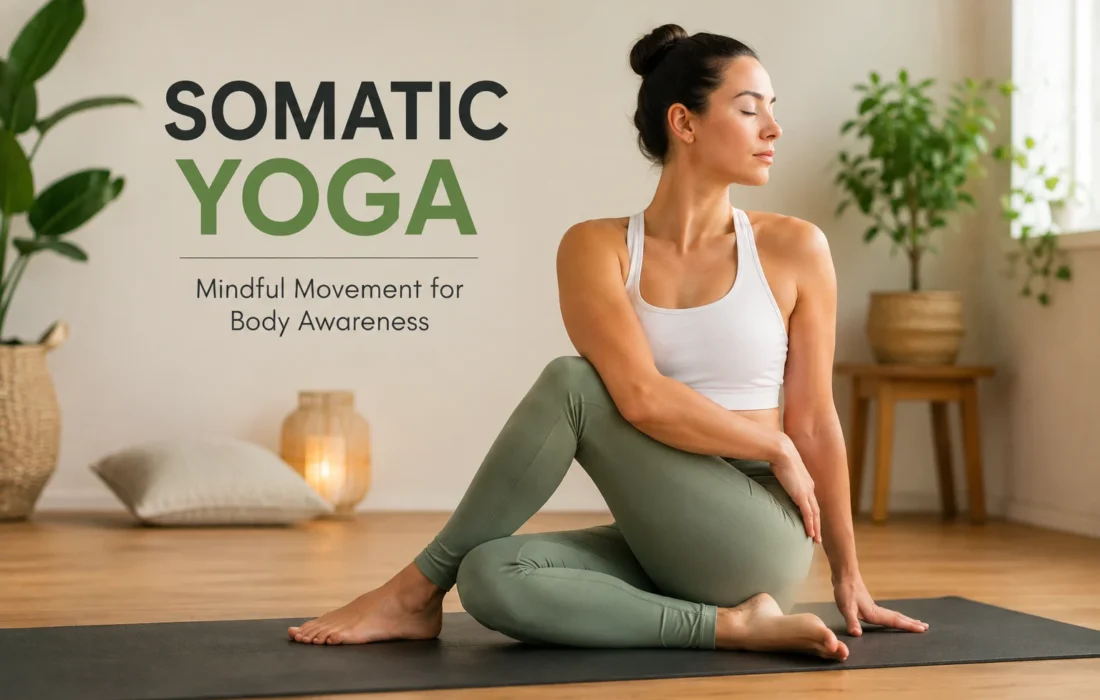
Have you been feeling stiff, stressed, or disconnected from your body? If so, somatic yoga may be worth exploring. This gentle movement practice combines traditional yoga principles with somatic movement education, helping people improve body awareness, mobility, and relaxation.
- Understanding Somatic Yoga and Its Core Principles
- What Is Somatic Yoga?
- How Yoga Differs From Traditional Yoga
- Why Somatic Yoga Is Trending in 2026
- How Somatic Yoga Works With the Body
- The Mind-Body Connection
- Gentle Movements and Sensory Awareness
- The Role of Breathing
- Somatic Yoga Benefits for Everyday Wellness
- Improved Body Awareness
- Support for Flexibility and Mobility
- Stress Reduction and Relaxation
- Creating a Somatic Yoga Routine
- Preparing for Practice
- Basic Somatic Yoga Movements
- Building Consistency
- Benefits and Possible Limitations of Somatic Yoga
- Top Benefits Supported by Current Understanding
- Potential Challenges and Considerations
- When to Consult a Healthcare Professional
- Did You Know?
- Key Takeaways
- Q: What is somatic yoga and how does it work?
- Q: Is somatic yoga suitable for beginners in 2026?
- Q: How long does it take to notice benefits from somatic yoga?
- Q: Can somatic yoga help with stress management?
- Q: How often should I practice somatic yoga?
- Conclusion
Unlike fast-paced fitness routines, somatic yoga focuses on slow, mindful movements that encourage the nervous system to release unnecessary muscular tension. As of 2026, interest in somatic yoga continues to grow among people looking for low-impact ways to support physical comfort and emotional well-being.
Whether you’re a beginner, an experienced yoga practitioner, or someone recovering from daily stress, this guide explains how somatic yoga works, its benefits, potential limitations, and how to create a simple routine.
This article shares general information only. For diagnosis or treatment, consult a qualified therapist, physician, or healthcare provider.
Understanding Somatic Yoga and Its Core Principles
What Is Somatic Yoga?
Somatic yoga combines yoga-inspired movements with somatic practices that emphasize internal body awareness. The word “somatic” comes from the Greek word soma, meaning the living body as experienced from within.
Rather than focusing on achieving perfect poses, practitioners pay attention to how movements feel. This internal focus helps individuals recognize patterns of tension, posture habits, and movement restrictions that may have developed over time.
The goal is not flexibility alone. Instead, somatic yoga encourages greater awareness, relaxation, and efficient movement throughout daily life.
How Yoga Differs From Traditional Yoga
Traditional yoga often includes structured postures, balance work, flexibility training, and strength development. Somatic yoga uses some similar movements but typically performs them more slowly and mindfully.
The emphasis shifts from external appearance to internal sensation. Participants are encouraged to move gently and notice subtle changes in muscle tension and comfort.
Many people who find conventional yoga challenging appreciate somatic yoga because it is generally accessible and adaptable for different ages and fitness levels.
Why Somatic Yoga Is Trending in 2026
As of 2026, more people are seeking wellness practices that support both physical and mental health. Remote work, increased screen time, and sedentary lifestyles have contributed to growing interest in mindful movement approaches.
Somatic yoga appeals to individuals looking for stress relief, improved posture, and body awareness without intense workouts. Wellness professionals frequently include it alongside meditation, breathwork, and mobility training programs.
For additional movement practices, readers may also enjoy our complete mobility training guide and mind-body wellness tutorial.
How Somatic Yoga Works With the Body
The Mind-Body Connection
A central concept in somatic yoga is the connection between the brain and the muscles. Everyday habits can cause certain muscles to remain partially contracted even when they are not needed.
Over time, this can create discomfort, reduced mobility, and inefficient movement patterns. Somatic practices aim to help the brain recognize and release these patterns through mindful movement.
This increased awareness often leads to smoother and more comfortable movement throughout daily activities.
Gentle Movements and Sensory Awareness
Instead of pushing the body into deep stretches, yoga encourages slow exploration of movement. Practitioners notice sensations such as tension, relaxation, balance, and breathing patterns.
This process helps improve proprioception, which is the body’s ability to sense its position and movement in space.
As awareness improves, many people report feeling more coordinated and comfortable during everyday tasks.
The Role of Breathing
Breathing plays an important role in somatic yoga. Slow, controlled breathing encourages relaxation and may help reduce stress responses within the nervous system.
Many sessions incorporate synchronized breathing and movement. This combination helps practitioners remain present and attentive to bodily sensations.
Regular breathing exercises can also support mindfulness and emotional regulation.
Somatic Yoga Benefits for Everyday Wellness
Improved Body Awareness
One of the most widely recognized benefits of somatic yoga is enhanced body awareness. By paying close attention to movement sensations, people learn to recognize tension patterns that might otherwise go unnoticed.
Greater awareness often translates into better posture, improved movement quality, and more mindful daily habits.
Many practitioners discover they can identify stress-related tension earlier and respond more effectively.
Support for Flexibility and Mobility
Somatic yoga may help improve mobility by encouraging muscles to release unnecessary tension. When muscles are more relaxed, joints often move more comfortably.
Unlike aggressive stretching routines, the focus remains on gentle movement and nervous system education.
This makes the practice appealing to older adults, office workers, and individuals seeking a low-impact movement option.
Stress Reduction and Relaxation
Modern life can place significant demands on both the body and mind. Somatic yoga encourages slower movement patterns that may promote relaxation.
Many practitioners use it as part of a broader self-care routine that includes meditation, healthy sleep habits, and mindful breathing.
Although individual experiences vary, people frequently describe feeling calmer and more centered after a session.
Creating a Somatic Yoga Routine
Preparing for Practice
Getting started with somatic yoga requires very little equipment. A yoga mat, comfortable clothing, and a quiet environment are often sufficient.
Choose a space where you can move without distractions. Since the practice emphasizes awareness, a calm setting helps support concentration.
Beginners may benefit from following guided classes before developing a personal routine.
Basic Somatic Yoga Movements
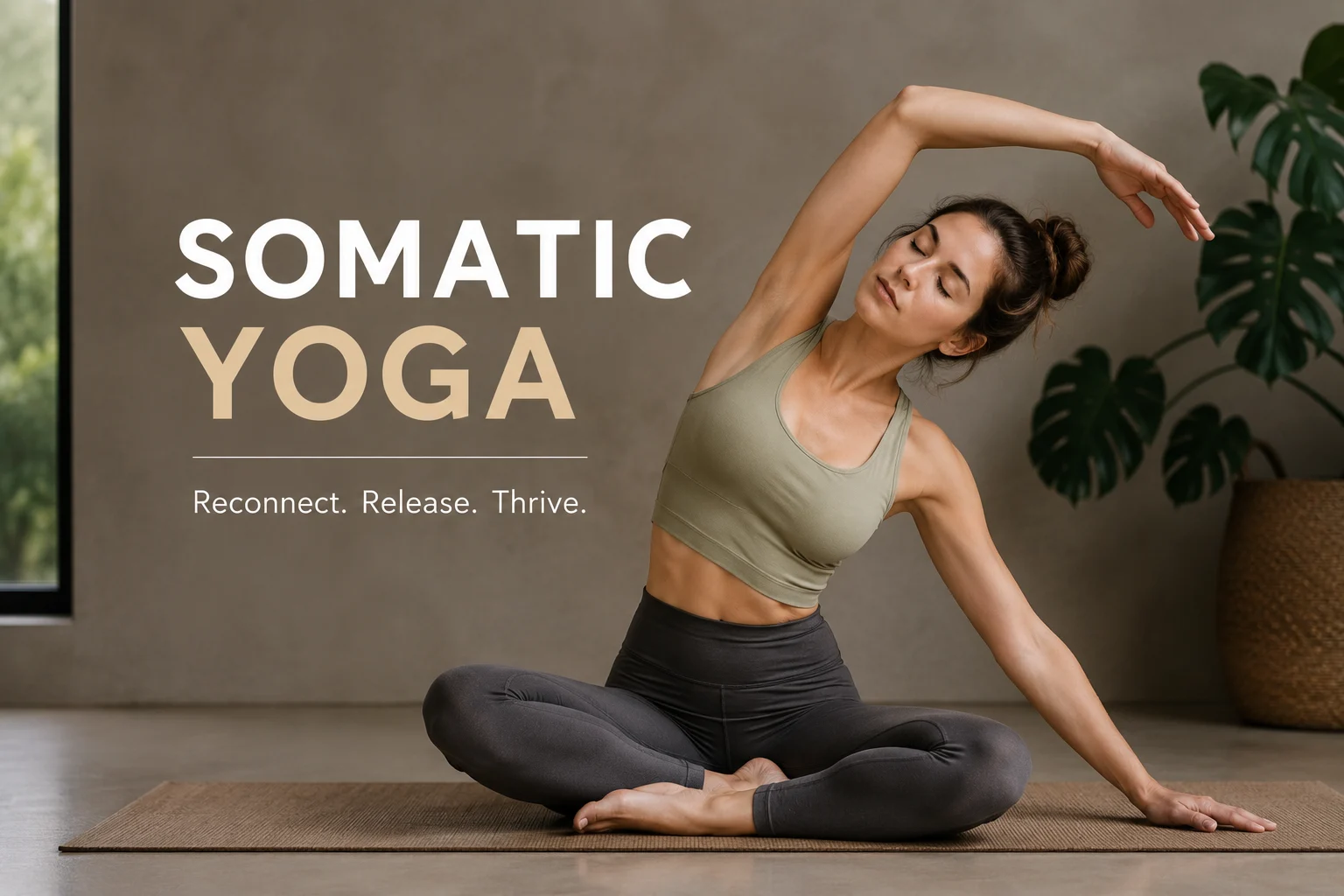
Many introductory sessions include gentle spinal movements, pelvic tilts, shoulder rolls, and breathing exercises. These movements encourage awareness without overwhelming the body.
The goal is not intensity but observation. Move slowly and notice how each motion feels.
If trying a new exercise or wellness practice, a patch test recommended approach can be applied metaphorically: start gradually and observe your body’s response before increasing intensity.
Building Consistency
Consistency matters more than duration. Even 10 to 20 minutes of mindful movement several times per week can help develop body awareness.
Creating a regular schedule makes it easier to experience the cumulative benefits of the practice.
Readers interested in developing healthy habits may also find value in our daily mindfulness routine guide.
Benefits and Possible Limitations of Somatic Yoga
Top Benefits Supported by Current Understanding
Research on mindful movement, body awareness practices, and gentle exercise suggests potential benefits for mobility, stress management, and overall well-being.
Somatic yoga combines many of these elements into a single practice. People often appreciate its accessibility and adaptability.
The emphasis on awareness rather than performance also makes it less intimidating for beginners.
Potential Challenges and Considerations
While somatic yoga is generally considered low-impact, it may not address every fitness goal. Those seeking significant cardiovascular conditioning or strength gains may need additional forms of exercise.
Results also vary between individuals. Improvements in comfort, mobility, and awareness often develop gradually rather than immediately.
Anyone experiencing persistent pain should seek professional medical evaluation rather than relying solely on movement practices.
When to Consult a Healthcare Professional
If you have a medical condition, injury, or chronic pain issue, consult a qualified healthcare provider before beginning any new exercise program.
A physical therapist, physician, or other healthcare professional can help determine whether somatic yoga is appropriate for your needs.
Professional guidance is especially important when symptoms interfere with daily activities.
Did You Know?
💡 The term “somatic” refers to the body as experienced from within rather than how it appears externally.
💡 Many somatic yoga movements are intentionally small because subtle motions can improve awareness just as effectively as larger ones.
💡 Wellness experts increasingly combine somatic practices with mindfulness and breathwork programs as of 2026.
Key Takeaways
- Practice somatic yoga to improve awareness of tension and movement habits.
- Focus on internal sensations rather than perfect poses.
- Use slow, mindful movements to support mobility and relaxation.
- Incorporate controlled breathing throughout your routine.
- Build consistency with short sessions several times each week.
- Explore somatic yoga as part of a broader wellness strategy.
- Start gradually and pay attention to your body’s responses.
- Consult a healthcare professional if discomfort or limitations persist.
Q: What is somatic yoga and how does it work?
A: Somatic yoga combines mindful movement, body awareness, and gentle yoga-inspired exercises. The practice helps individuals notice tension patterns and movement habits while encouraging relaxation and improved coordination. Instead of focusing on performance, participants focus on internal sensations and mindful control.
Q: Is somatic yoga suitable for beginners in 2026?
A: Yes. Somatic yoga is generally considered beginner-friendly because movements are slow, adaptable, and low impact. Many newcomers appreciate its emphasis on awareness rather than flexibility or athletic performance. Beginners can start with short sessions and gradually develop confidence.
Q: How long does it take to notice benefits from somatic yoga?
A: Results vary from person to person. Some individuals report feeling more relaxed after a single session, while improvements in mobility and body awareness often develop over several weeks of consistent practice. Regular participation generally produces the best results.
Q: Can somatic yoga help with stress management?
A: Many people use somatic yoga as part of a stress-management routine. The combination of mindful movement and controlled breathing may encourage relaxation and help individuals become more aware of physical tension associated with stress.
Q: How often should I practice somatic yoga?
A: There is no universal schedule. Many practitioners begin with 10 to 20 minutes several times per week. Consistency is usually more important than session length. Individuals can adjust frequency based on comfort, goals, and available time.
Conclusion
Somatic yoga offers a unique approach to movement that prioritizes awareness, comfort, and connection between the body and mind. By combining gentle exercises, mindful attention, and controlled breathing, the practice may support mobility, relaxation, and overall well-being.
As of 2026, somatic yoga continues to attract people seeking a low-impact wellness practice that fits easily into modern lifestyles. Whether your goal is reducing tension, improving movement quality, or simply becoming more mindful, this approach provides a practical starting point.