Quick Answer
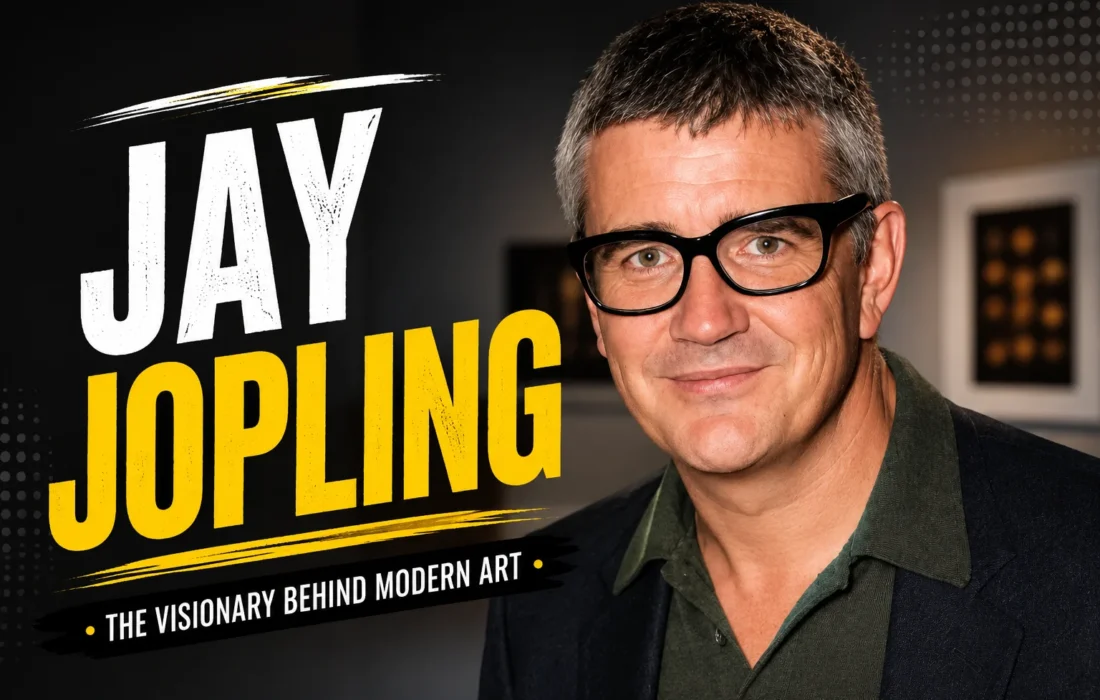
Jay Jopling is a British art dealer and gallery owner best known as the founder of White Cube, one of the world’s most influential contemporary art galleries. Born in June 1963 in Thirsk, Yorkshire, England, Jopling played a key role in launching the careers of many Young British Artists (YBAs), including Damien Hirst, Tracey Emin, Marc Quinn, and Gavin Turk. Since opening White Cube in London in 1993, he has transformed it into an internationally recognised gallery with locations in London, Hong Kong, Paris, Seoul, and New York. Widely regarded as one of the most influential figures in the modern art market, Jopling has helped shape contemporary British art for more than three decades. For more insights read here:- olga koch and nancy sorrell.
- Quick Answer
- Who Is Jay Jopling? A Short Biography
- Who Is Jay Jopling?
- Early Life and Education
- The Beginning of an Extraordinary Career
- White Cube: Building One of the World's Leading Art Galleries
- White Cube Gallery Locations
- Jay Jopling and the Young British Artists (YBAs)
- Working with Damien Hirst
- Supporting Tracey Emin and Other Leading Artists
- Jay Jopling's Influence on the Contemporary Art Market
- Personal Life and Family
- Recent Developments and Continuing Influence
- Reputation in the Art World
- Interesting Facts About Jay Jopling
- Frequently Asked Questions
- Q1. Who is Jay Jopling?
- Q2. What is Jay Jopling famous for?
- Q3. Was Jay Jopling married to Sam Taylor-Johnson?
- Q4. What is White Cube?
- Q5. Is Jay Jopling still active in the art world?
- Q6. What is Jay Jopling's net worth?
- Conclusion
Who Is Jay Jopling? A Short Biography
| Information | Details |
|---|---|
| Full Name | Jeremy Michael “Jay” Jopling |
| Known As | Jay Jopling |
| Born | June 1963 |
| Age (2026) | 63 |
| Birthplace | Thirsk, Yorkshire, England |
| Nationality | British |
| Profession | Art Dealer, Gallerist, Entrepreneur |
| Education | Eton College |
| University | University of Edinburgh (English Literature & History of Art) |
| Famous For | Founder of White Cube Gallery |
| Years Active | 1990s–Present |
| Father | Michael Jopling, Baron Jopling |
| Former Spouse | Sam Taylor-Johnson (formerly Sam Taylor-Wood) |
| Current Spouse | Hikari Yokoyama |
| Children | Angelica Jopling, Jessie Phoenix Jopling, Djuna Mei Jopling |
| Source of Income | Art Dealing, Gallery Business, Contemporary Art Sales |
Who Is Jay Jopling?
Few people have influenced the British contemporary art scene as much as Jay Jopling. As the founder of White Cube, he helped transform contemporary art from a niche market into an international cultural and commercial phenomenon. Throughout the 1990s and 2000s, Jopling became closely associated with the rise of the Young British Artists (YBAs), representing some of the biggest names in modern art and introducing their work to collectors around the world.
Unlike many traditional gallery owners, Jopling developed a reputation for taking risks on emerging artists. Rather than waiting for painters and sculptors to become established, he often showcased experimental work that challenged conventional ideas about contemporary art. This bold approach helped White Cube become one of London’s most respected commercial galleries and turned Jopling into one of the art world’s most influential dealers.
Today, White Cube represents internationally acclaimed artists across multiple continents, while Jopling continues to play a major role in shaping the global contemporary art market. His influence extends far beyond Britain, with exhibitions and gallery spaces attracting collectors, museums, and critics from around the world.
Early Life and Education
Jeremy Michael Jopling was born in June 1963 in Thirsk, North Yorkshire, into a well-known political family. His father, Michael Jopling, Baron Jopling, served as a Conservative politician and government minister. Growing up in Yorkshire exposed Jay to a privileged education, but his later career would take him in a very different direction from politics.
He attended the prestigious Eton College, one of Britain’s best-known independent schools, before studying English Literature and History of Art at the University of Edinburgh. During his university years, Jopling developed a deep interest in contemporary art and began building relationships with artists and collectors that would later shape his career.
One little-known fact about his early career is that before entering the art world, he briefly worked selling fire extinguishers door-to-door. While the job had little connection to fine art, it helped him develop confidence, communication skills, and the ability to persuade clients—qualities that later became invaluable in the highly competitive art market.
The Beginning of an Extraordinary Career
After graduating from the University of Edinburgh, Jay Jopling moved to London at a time when Britain’s contemporary art scene was beginning to evolve. Rather than following the traditional gallery model, he focused on discovering ambitious young artists whose work challenged expectations.
A turning point came when he developed a close friendship with Damien Hirst, then an emerging artist who would later become one of the world’s most famous contemporary figures. Through Hirst and other rising talents, Jopling became closely connected with what would soon be known as the Young British Artists (YBAs) movement. His ability to recognise artistic potential before others did became one of his defining strengths.
In May 1993, Jopling opened the first White Cube gallery on Duke Street in London’s St James’s district. Although the original space was small, its innovative exhibition programme quickly attracted attention from critics, collectors, and museums. The gallery’s philosophy of giving artists focused solo exhibitions helped distinguish it from more traditional commercial galleries and laid the foundation for White Cube’s global success.
White Cube: Building One of the World’s Leading Art Galleries
White Cube Gallery Locations
Jay Jopling expanded White Cube into a global gallery brand. See the locations below:
| Location | Opened Year | Famous For |
|---|---|---|
| Duke Street, London | 1993 | First Gallery |
| Bermondsey, London | 2011 | Largest in Europe |
| Hong Kong | 2012 | Asian Market |
| New York | 2023 | US Expansion |
| Paris & Seoul | 2019, 2023 | Global Growth |
The launch of White Cube in 1993 marked a turning point not only in Jay Jopling’s career but also in the British contemporary art market. The gallery’s first location on Duke Street in St James’s, London, was relatively small, yet it quickly gained attention for exhibiting bold, experimental artists who were redefining modern art.
Unlike many established galleries that focused on already famous names, White Cube became known for giving ambitious young artists the freedom to present challenging and innovative work. This approach attracted collectors, critics, museum curators, and international visitors who wanted to experience the latest developments in contemporary art.
As demand grew, White Cube expanded beyond its original space. In 2000, Jopling opened White Cube Hoxton Square, providing a larger venue for ambitious installations and multimedia exhibitions. Seven years later, the gallery opened White Cube Bermondsey, one of Europe’s largest commercial art galleries, featuring extensive exhibition halls capable of displaying monumental artworks.
Today, White Cube operates internationally with galleries in London, Paris, Hong Kong, Seoul, and New York, representing many of the world’s most respected contemporary artists. Its global expansion reflects Jopling’s vision of making contemporary British art part of the international cultural conversation.
Jay Jopling and the Young British Artists (YBAs)
One of Jay Jopling’s greatest achievements has been his close association with the Young British Artists (YBAs), a movement that transformed British contemporary art during the late 1980s and 1990s.
The YBAs became known for producing provocative, conceptual, and often controversial works that challenged traditional ideas about art. Their exhibitions attracted widespread media attention and sparked debates about creativity, originality, and the purpose of modern art.
Jopling recognised the potential of these artists early in their careers and provided them with opportunities to reach international audiences. His willingness to support unconventional work helped establish White Cube as one of the most influential galleries in Britain.
The success of the YBAs also strengthened London’s reputation as a global centre for contemporary art, attracting collectors from Europe, North America, Asia, and the Middle East.
Working with Damien Hirst
Among all the artists represented by Jay Jopling, Damien Hirst is perhaps the most closely associated with his career.
The two developed a professional relationship in the early stages of Hirst’s rise to fame. Jopling recognised the originality of Hirst’s conceptual approach and became one of his strongest supporters.
Throughout the years, White Cube exhibited several of Hirst’s most significant works, helping establish him as one of the world’s best-known contemporary artists. Their collaboration became one of the defining partnerships of the modern art market.
Although Hirst later explored different business models and independent projects, his association with White Cube remains an important chapter in both men’s careers.
Supporting Tracey Emin and Other Leading Artists
Jopling also helped Tracey Emin become internationally famous through White Cube exhibitions. Over the years the gallery has represented major artists like Antony Gormley, Marc Quinn, Gavin Turk, and Anselm Kiefer, making White Cube one of the most diverse galleries in the world. also explore:- dick and dom.
Jay Jopling’s Influence on the Contemporary Art Market
Few gallery owners have had as much influence on Britain’s commercial art scene as Jay Jopling.
His approach combined traditional gallery management with entrepreneurial thinking. Rather than simply selling artworks, he focused on building long-term careers for artists by organising museum-quality exhibitions, developing relationships with collectors, and expanding internationally.
This strategy helped transform White Cube into one of the most valuable brands in contemporary art.
Jopling has also contributed to changing public perceptions of modern art. By supporting ambitious installations and conceptual works, he encouraged wider audiences to engage with contemporary artistic ideas that were once considered inaccessible.
Many younger gallery owners have since adopted similar approaches, making Jopling one of the most influential figures in the industry.
Personal Life and Family
Away from the art world, Jay Jopling has attracted media attention for his personal life.
He was married to acclaimed British artist and filmmaker Sam Taylor-Johnson (formerly Sam Taylor-Wood). The couple married in 1997 and had two daughters together before separating in 2008. Following their divorce, Taylor-Johnson went on to marry actor Aaron Taylor-Johnson, while both have continued successful creative careers.
Jopling later married Hikari Yokoyama, a Japanese art professional. Together they have a daughter and generally keep their family life private despite Jopling’s high public profile.
Although his work frequently places him in the spotlight, he is known for maintaining a relatively low-key personal life compared with many figures in the international art market.
Recent Developments and Continuing Influence
More than three decades after founding White Cube, Jay Jopling remains one of the most influential figures in the international art market. While many galleries have expanded globally in recent years, White Cube continues to represent leading contemporary artists through its spaces in London, Paris, Hong Kong, Seoul, and New York. Jopling’s long-term strategy of supporting established and emerging artists has helped the gallery maintain its reputation as one of the world’s premier commercial art institutions.
In recent years, Jopling has also remained in the public eye through discussions surrounding the high-profile Inigo Philbrick art fraud. Philbrick, who began his career at White Cube before establishing his own gallery business, was later convicted of a major international art fraud. Jopling has been among those seeking financial restitution after suffering losses connected to the scheme.
Despite these challenges, Jopling continues to participate in major art events, public discussions, and international exhibitions. His influence extends beyond gallery management, as he regularly contributes to conversations about collecting, museum partnerships, and the future of contemporary art.
Reputation in the Art World
Jay Jopling is widely regarded as one of the architects of Britain’s modern commercial gallery system. Throughout his career, he has earned respect for recognising artistic talent long before many of his competitors. His willingness to invest in young artists has helped launch internationally successful careers while strengthening London’s position as one of the world’s leading centres for contemporary art.
Collectors often view White Cube exhibitions as important cultural events because the gallery consistently presents museum-quality shows alongside commercial sales. This balance between artistic excellence and business success has become one of Jopling’s defining achievements.
Art critics have sometimes debated the commercialisation of contemporary art, particularly during the rise of the Young British Artists movement. Nevertheless, even many critics acknowledge Jopling’s role in expanding public interest in contemporary art and helping British artists gain global recognition.
His influence can also be seen in the number of younger galleries that have adopted similar international business models, combining ambitious exhibitions with worldwide collector networks.
Interesting Facts About Jay Jopling
- Before art, Jopling sold fire extinguishers door-to-door.
- White Cube started as a small project space in Duke Street in 1993.
- His daughter Angelica Jopling also runs a contemporary art gallery.
- Jopling was affected by the Inigo Philbrick art fraud case.
Frequently Asked Questions
Q1. Who is Jay Jopling?
Answer: Jay Jopling is a British art dealer and entrepreneur best known as the founder of White Cube, one of the world’s leading contemporary art galleries. He has played a major role in promoting British and international contemporary artists since the early 1990s.
Q2. What is Jay Jopling famous for?
Answer: He is famous for founding White Cube and helping launch the careers of several leading members of the Young British Artists (YBAs) movement, including Damien Hirst and Tracey Emin. His gallery has become one of the most influential institutions in the contemporary art market.
Q3. Was Jay Jopling married to Sam Taylor-Johnson?
Answer: Yes. Jay Jopling was married to artist and filmmaker Sam Taylor-Johnson (formerly Sam Taylor-Wood). They married in 1997, had two daughters together, and later divorced in 2008. He is now married to Hikari Yokoyama.
Q4. What is White Cube?
Answer: White Cube is an internationally recognised contemporary art gallery founded by Jay Jopling in 1993. It represents many of the world’s leading artists and operates galleries in London, Paris, Hong Kong, Seoul, and New York.
Q5. Is Jay Jopling still active in the art world?
Answer: Yes. As of 2026, Jay Jopling remains actively involved with White Cube and continues to influence the international contemporary art market through exhibitions, artist representation, and participation in major cultural events.
Q6. What is Jay Jopling’s net worth?
Answer: Jay Jopling’s net worth is estimated between $50-1 00 million as of 2026, earned through White Cube gallery and art dealing.
Conclusion
Jay Jopling has established himself as one of the most influential figures in contemporary art through his vision, entrepreneurial spirit, and long-standing commitment to supporting innovative artists. From opening a modest London gallery in 1993 to building White Cube into a globally recognised institution, his career has helped redefine how contemporary art is exhibited, collected, and appreciated.
His partnerships with artists such as Damien Hirst, Tracey Emin, Antony Gormley, and many others have shaped the careers of some of the biggest names in modern art while strengthening London’s reputation as an international cultural capital. Although the art market continues to evolve, Jopling’s impact remains clear. His ability to identify talent, embrace creative risk, and build lasting relationships ensures that his legacy will continue to influence the contemporary art world for years to come.