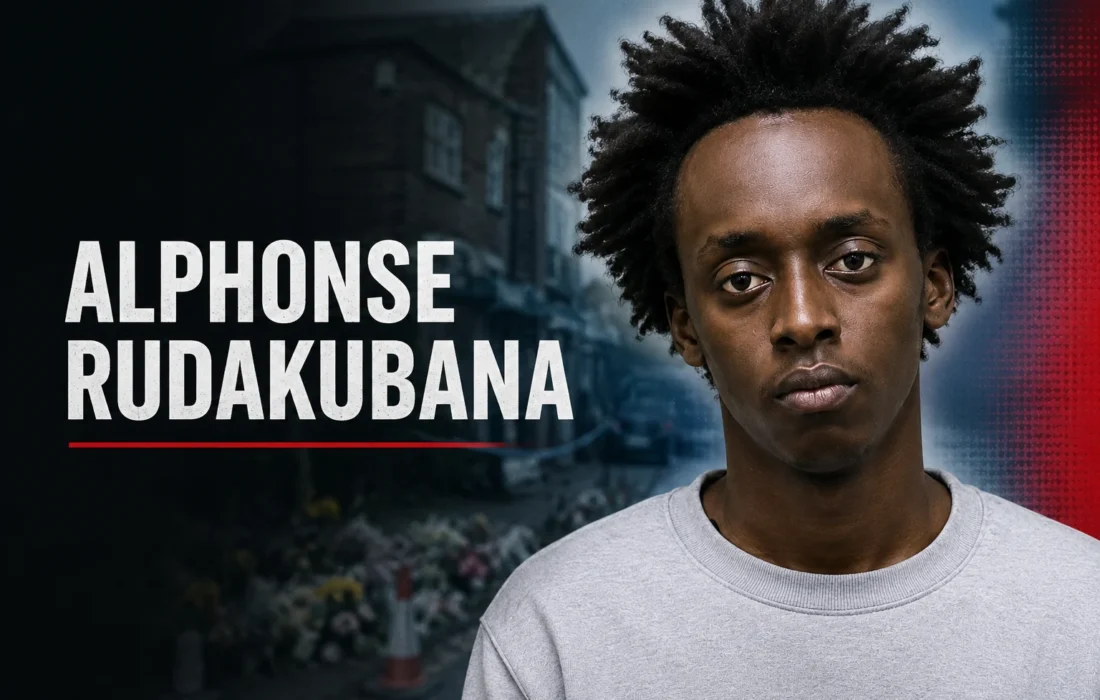
Alphonse Rudakubana became a figure of public interest because he is the father of Axel Rudakubana, the teenager responsible for the deadly Southport attack that shocked the United Kingdom in July 2024. In 2025 and 2026, his testimony during the public inquiry drew significant attention as investigators examined whether warning signs were missed before the tragedy occurred.
- Quick Facts
- Who Is Alphonse Rudakubana?
- Why Did Alphonse Rudakubana Become Part of the Inquiry?
- The Southport Attack: Essential Context
- Axel Rudakubana's Conviction and Sentence
- What Did Alphonse Rudakubana Tell the Inquiry?
- What the Inquiry Is Trying to Establish
- Myth vs Fact
- Myth: Alphonse Rudakubana was charged over the Southport attack.
- Myth: The inquiry is only focused on the family.
- Myth: The attack was legally classified as terrorism.
- Why the Case Continues to Matter in 2026
- Frequently Asked Questions
- Who is Alphonse Rudakubana?
- Is Alphonse Rudakubana accused of any crime?
- What happened in the Southport attack?
- What sentence did Axel Rudakubana receive?
- Why is there a public inquiry?
- Understanding the Wider Picture
While Alphonse Rudakubana was not accused of carrying out the attack, his evidence has played an important role in understanding the family circumstances, previous concerns raised to authorities, and the broader questions surrounding prevention and intervention.
Quick Facts
| Fact | Verified Information |
|---|---|
| Name | Alphonse Rudakubana |
| Known For | Father of Southport attacker Axel Rudakubana |
| Public Attention | Testimony during the Southport public inquiry |
| Inquiry Focus | Family concerns, warning signs, and interactions with authorities |
| Major Development | Gave evidence about his son’s behaviour and previous incidents |
| Status in 2026 | Witness in inquiry proceedings, not accused of the attack |
Who Is Alphonse Rudakubana?
Before the Southport case became national news, Alphonse Rudakubana lived largely outside public attention. His name entered headlines because of his relationship to Axel Rudakubana, who admitted responsibility for the murders of three young girls and multiple attempted murders during a Taylor Swift-themed dance class in Southport.
As the investigation expanded, attention turned to the years leading up to the attack. Authorities examined previous contacts between the family, schools, police, mental-health services, and counter-extremism programmes. This process eventually led to a public inquiry designed to determine whether opportunities to prevent the tragedy had been missed.
Why Did Alphonse Rudakubana Become Part of the Inquiry?
The inquiry heard evidence that Axel Rudakubana had displayed troubling behaviour over several years. During testimony, Alphonse Rudakubana described fears about his son’s escalating violence and acknowledged concerns about how some situations had been handled within the family.
His evidence became significant because it helped investigators build a timeline of events before the attack. The inquiry explored questions such as:
- What warning signs existed?
- What information was shared with authorities?
- How did schools and agencies respond?
- Could intervention have prevented the attack?
These issues remain central to the ongoing public examination of the case.
The Southport Attack: Essential Context
On 29 July 2024, Axel Rudakubana carried out a knife attack at a Taylor Swift-themed dance class in Southport, Merseyside. Three young girls—Alice da Silva Aguiar, Bebe King, and Elsie Dot Stancombe—were killed. Multiple children and adults were also injured.
The incident generated national grief and led to widespread debate about public safety, youth violence, online extremism, and the effectiveness of intervention systems. It also triggered a major criminal investigation and later a public inquiry.
Axel Rudakubana’s Conviction and Sentence
In January 2025, Axel Rudakubana pleaded guilty to multiple offences, including:
- Three counts of murder
- Ten counts of attempted murder
- Possession of a knife
- Production of ricin
- Possession of terrorism-related material
Liverpool Crown Court sentenced him to life imprisonment with a minimum term of 52 years. Because he was under 18 when the crimes occurred, the court could not impose a whole-life order. The sentencing judge stated that it was likely he would never be released.
What Did Alphonse Rudakubana Tell the Inquiry?
One of the most closely watched moments of the inquiry came when Alphonse Rudakubana gave evidence about his son’s behaviour before the attack.
Reports from the proceedings indicate that he expressed regret over failing to deal effectively with escalating violence and admitted there were occasions when he feared his son. The inquiry also heard evidence about weapons found within the family home and concerns that warning signs may not have been fully communicated to authorities.
His testimony highlighted the difficult reality faced by some families dealing with severe behavioural problems. At the same time, it raised questions about whether stronger action could have been taken earlier.
What the Inquiry Is Trying to Establish
A key goal of the Southport inquiry is not simply to revisit the crime itself but to identify lessons for the future.
Investigators are examining:
- School reports and disciplinary records.
- Police interactions before the attack.
- Referrals to intervention programmes.
- Mental-health and safeguarding responses.
- Family knowledge of concerning behaviour.
- Information-sharing between agencies.
The findings could influence future policy decisions relating to youth violence, safeguarding, and public protection in the UK.
Myth vs Fact
Myth: Alphonse Rudakubana was charged over the Southport attack.
Fact: Public reporting has identified him as a witness and participant in the inquiry process. No criminal charges related to carrying out the attack have been reported against him.
Myth: The inquiry is only focused on the family.
Fact: The inquiry is examining multiple institutions and agencies, including schools, police services, safeguarding systems, and counter-extremism programmes.
Myth: The attack was legally classified as terrorism.
Fact: Authorities reported that the attack was not prosecuted as terrorism despite the discovery of terrorism-related materials. Investigators have examined the issue extensively during subsequent reviews and inquiries.
Why the Case Continues to Matter in 2026
The Southport attack remains one of the most significant criminal cases in recent UK history. Beyond the criminal conviction, the ongoing inquiry seeks answers about prevention, responsibility, and institutional response.
Alphonse Rudakubana’s testimony has become an important part of that process because it offers insight into the family environment and the challenges authorities faced in assessing risk before the attack occurred. The inquiry’s conclusions may shape future safeguarding policies for years to come.
Frequently Asked Questions
Who is Alphonse Rudakubana?
Alphonse Rudakubana is the father of Axel Rudakubana, the teenager convicted for the Southport attack. He became publicly known through his involvement in the subsequent inquiry.
Is Alphonse Rudakubana accused of any crime?
Publicly available reporting connected to the inquiry identifies him as a witness. No reports indicate that he was charged in connection with carrying out the Southport attack.
What happened in the Southport attack?
Three young girls were killed and several other people were injured during a knife attack at a Taylor Swift-themed dance class in Southport on 29 July 2024.
What sentence did Axel Rudakubana receive?
In January 2025, he was sentenced to life imprisonment with a minimum term of 52 years after pleading guilty to multiple offences, including murder and attempted murder.
Why is there a public inquiry?
The inquiry was established to examine whether warning signs were missed and whether different actions by authorities or other parties might have prevented the attack.
Understanding the Wider Picture
Alphonse Rudakubana’s role in the public conversation surrounding the Southport tragedy stems from his position as the father of the convicted attacker and his testimony during the inquiry process. While the criminal case against Axel Rudakubana has been concluded, the broader questions about prevention and accountability remain under examination.
As the inquiry continues through 2026, its findings are expected to influence future discussions about safeguarding, intervention, and how authorities respond to warning signs of serious violence. For many observers, understanding Alphonse Rudakubana’s evidence is less about one individual and more about understanding how such a devastating event occurred and whether similar tragedies can be prevented in the future.